Real estate project success hinges on defining clear goals, scope, timelines, and milestones. Data analysis identifies market gaps and trends guiding strategic decisions like mixed-use projects. Timelines are broken down into pre-construction, construction, and post-construction phases with specific tasks. Milestones serve as measurable benchmarks tracking progress against objectives in dynamic markets. Regular reviews adapt to unforeseen challenges while maintaining focus on completing deliverables within the established framework. Expert advice emphasizes both qualitative and quantitative milestones for holistic project advancement based on data-driven insights.
In the dynamic realm of real estate, successful projects hinge on meticulous planning, with scope and timeline management playing a pivotal role. Establishing clear parameters is not merely a best practice; it’s an imperative for meeting client expectations, ensuring project feasibility, and delivering tangible results. However, navigating the intricate web of scope definition and timeline creation can be a complex task, often leading to delays and budget overruns. This article provides a strategic roadmap for real estate professionals to master this critical aspect, offering practical insights into defining project scope and setting realistic timelines to drive successful outcomes.
Define Project Goals and Real Estate Scope

Defining clear project goals and real estate scope is a cornerstone of successful venture planning. It involves meticulously outlining objectives, identifying target markets, and establishing boundaries for what’s achievable within a given timeframe. For instance, a development project might aim to construct 100 affordable housing units within a 24-month period, focusing on urban areas with high demand but limited supply. This strategic approach ensures that every decision – from site selection to design choices – aligns with the core objectives.
Real estate professionals should employ data-driven methods to pinpoint market gaps and trends. Analyzing demographics, population growth rates, and existing infrastructure can reveal potential for sustainable development. Consider a case study where a thorough analysis of local market dynamics led to a decision to specialize in mixed-use projects integrating residential, commercial, and retail spaces – a strategy that has proven successful amid growing urban demand for such versatile properties.
Actionable advice dictates breaking down long-term goals into smaller, manageable milestones. Setting intermediate targets facilitates progress tracking and allows for timely course correction. For real estate ventures, this might translate into quarterly reviews assessing land acquisition, permit processing, construction milestones, and marketing campaigns. Regular evaluation ensures the project stays on track, allowing for adjustments based on market fluctuations or unforeseen challenges, ultimately enhancing the chances of achieving the defined goals within the established timeline.
Establish Timelines: Phases & Deliverables

Establishing clear timelines is a cornerstone of successful project management in any industry, including real estate. A well-defined timeline breaks down a project into manageable phases, each with specific deliverables, ensuring every team member understands their role and responsibilities. This structured approach not only enhances efficiency but also allows for better resource allocation and risk mitigation.
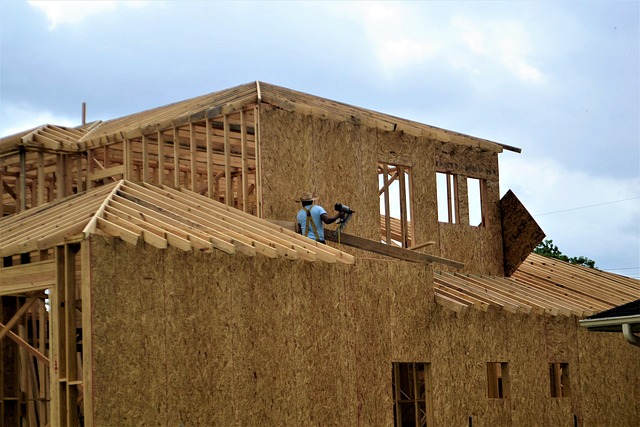
A typical real estate project timeline can be divided into three main phases: pre-construction, construction, and post-construction. Each phase is comprised of distinct tasks and deliverables. For instance, during the pre-construction phase, the initial planning, site preparation, and obtaining necessary permits occur. Deliverables here might include detailed architectural plans, engineering reports, and a budget estimate. The construction phase involves actual building work, with milestones such as foundation laying, framing, and interior finishing. Here, regular progress updates and quality checks are crucial deliverables to ensure the project stays on track. Post-construction focuses on final inspections, move-in readiness, and any necessary warranty or defect rectification.
To ensure a timeline is effective, it must be realistic yet flexible. Real estate projects often face unforeseen challenges like weather delays, supply chain issues, or changes in market dynamics. Therefore, building in contingency plans and allowing for some flexibility is vital. Using project management software can aid in visualizing the timeline, setting deadlines, and tracking progress. Regular reviews and updates are essential to adapt to changing circumstances while keeping the team focused on completing deliverables within the established framework.
Set Milestones: Tracking Progress in Real Estate

Setting clear milestones is a cornerstone of successful project management in real estate. Milestones serve as measurable benchmarks that track progress, ensure alignment with objectives, and facilitate informed decision-making. In dynamic real estate markets, where projects can span years and involve numerous stakeholders, having a well-defined roadmap becomes indispensable. For instance, consider a large-scale residential development; milestones might include securing permits within six months, completing site preparation in nine months, and achieving 50% sales by the end of the first year. These benchmarks not only provide a clear sense of direction but also allow for proactive management of potential delays or budget overruns.
Regularly tracking progress against these milestones is crucial. Real-time data on key performance indicators (KPIs) such as sales rates, construction milestones, and financial metrics enables stakeholders to anticipate challenges and adjust strategies accordingly. For example, if initial sales are lagging behind the milestone target, the development team can reevaluate marketing strategies or consider offering incentives to boost interest. Moreover, regular milestone reviews foster collaboration among architects, contractors, and realtors by ensuring everyone is aligned with the project’s critical path.
Expert advice emphasizes the importance of setting both qualitative and quantitative milestones. Qualitative milestones might include obtaining community buy-in through public consultations, while quantitative milestones focus on specific tasks like finalizing architectural designs or achieving certain sales milestones. Combining these ensures a holistic view of progress that goes beyond mere numbers. Data-driven insights, supported by real estate market trends and historical performance, can enhance the accuracy of milestone setting. This proactive approach to project management not only improves chances of successful completion but also enhances the overall quality of real estate projects.