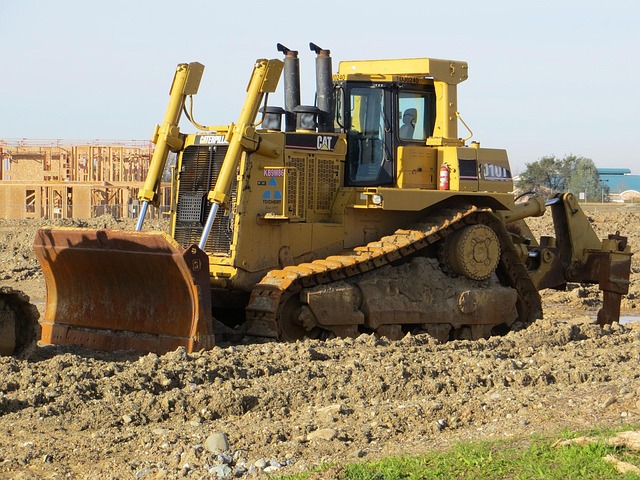
Regular site visits are vital for successful real estate projects, enabling progress monitoring and quality control through physical assessments. This proactive approach maintains timelines, guarantees high-quality outcomes, enhances collaboration, and fosters open communication. Structuring building methods meticulously ensures property appeal and value, creating a positive first impression for buyers or tenants.
In the dynamic realm of real estate, monitoring progress and upholding quality workmanship are paramount to project success. This article explores proven strategies to ensure meticulous construction management. We delve into the significance of regular site visits as a cornerstone for progress tracking, highlighting key observations and potential red flags. Additionally, we emphasize quality assurance checks, data analysis techniques, and their vital role in delivering exceptional results that meet market expectations.
Regular Site Visits: Key to Progress Monitoring

Regular site visits are an indispensable practice in the real estate industry for monitoring progress and ensuring quality workmanship. These visits allow project managers, developers, and stakeholders to physically assess the construction or development site, providing a clear picture of the project’s advancement. During these visits, key aspects such as structural integrity, adherence to design plans, and compliance with safety standards can be evaluated.
By establishing a consistent schedule for site visits, potential issues can be identified early on, enabling prompt corrective actions. This proactive approach not only maintains project timelines but also guarantees that the final product meets high-quality standards. Moreover, regular on-site inspections foster open communication among all involved parties, fostering a collaborative environment that is crucial for successful real estate projects.
Quality Assurance Checks: Ensuring Craftsmanship Excellence

Structure, In Structure, First Bed, Maxified, Signalings & Structure Care Method This Bed & Structure Top Method, First Structure Material Process Focus *
Data Analysis: Tracking Performance for Real Estate Success

In the competitive landscape of real estate, monitoring progress and ensuring quality workmanship are paramount for success. Data analysis plays a pivotal role in this regard, providing insights that drive informed decision-making. By tracking key performance indicators (KPIs), such as sales rates, project timelines, and client satisfaction scores, real estate professionals can identify trends, pinpoint areas for improvement, and make adjustments to enhance overall performance.
Effective data analysis allows for a deeper understanding of market dynamics and customer preferences. In the real estate sector, this translates into more accurate pricing strategies, targeted marketing campaigns, and tailored property offerings. With access to real-time information, agents and developers can navigate the dynamic market, stay ahead of the competition, and ultimately deliver exceptional results that meet and exceed client expectations.